Integrating Care Where It Matters Most: Inside School-Based Health
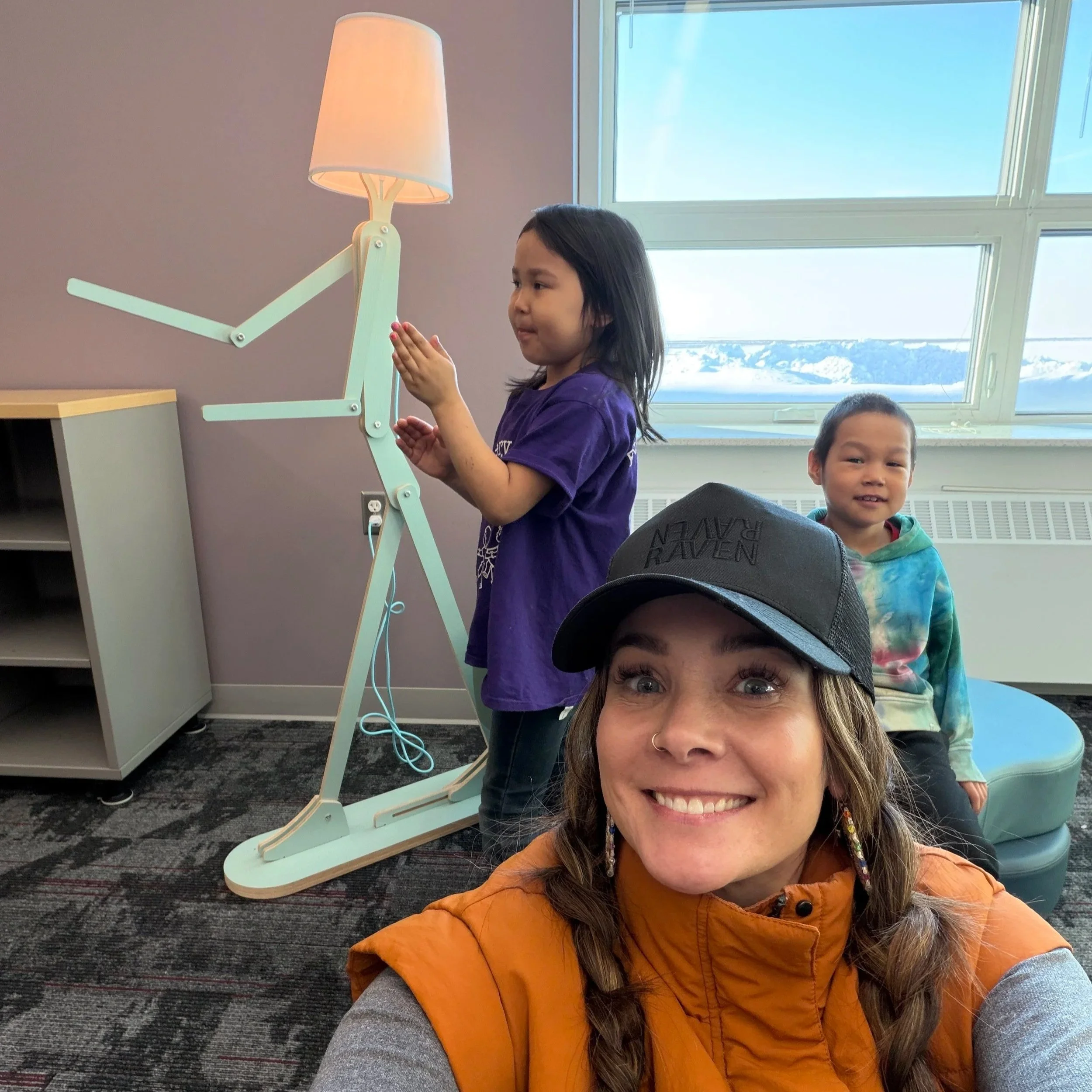
Kids were in the clinic room, asking about what we were doing. They wanted to know their height and weight and show us how fast they could run.
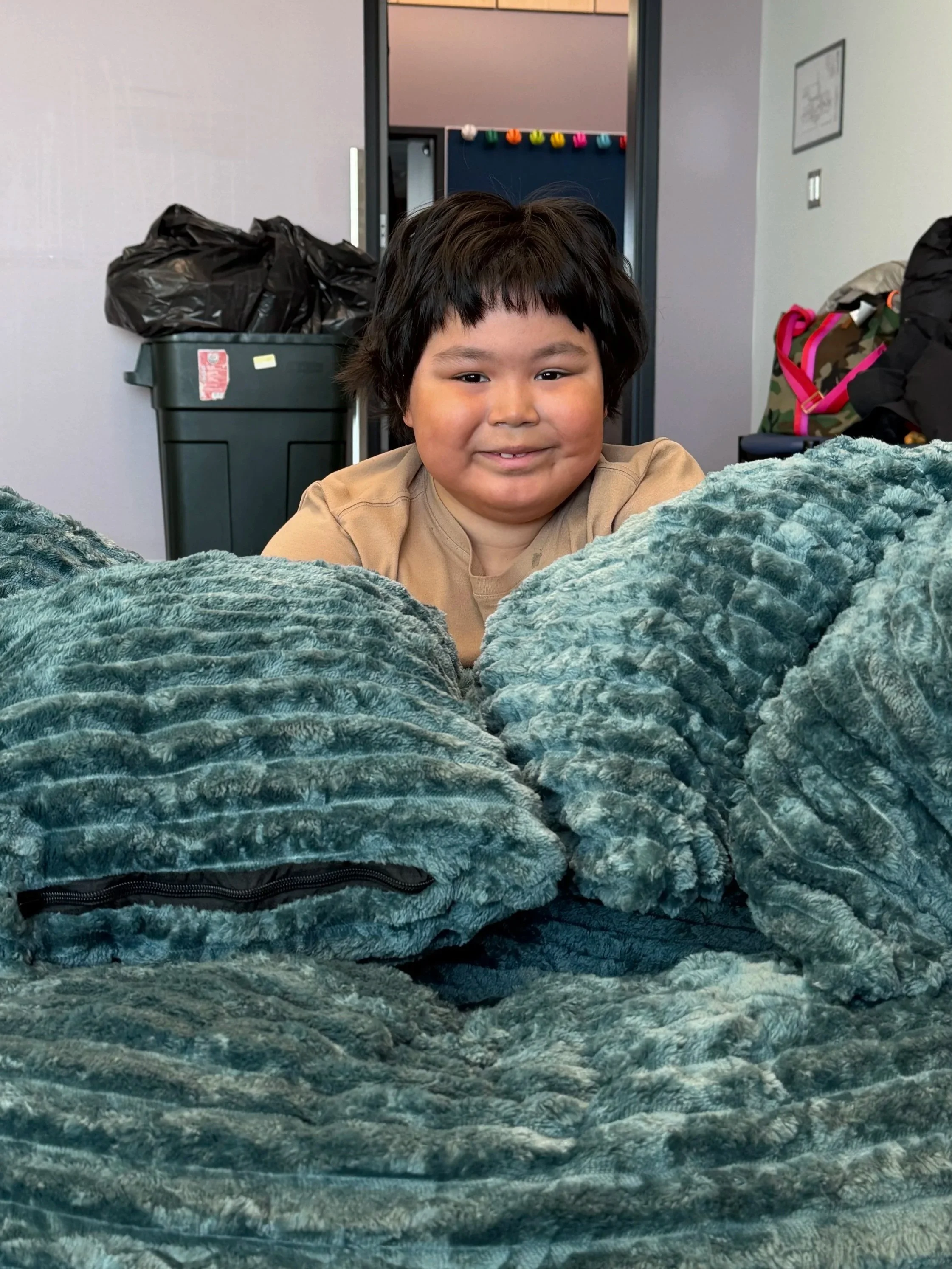
“What are you doing here? Is this room for us?”
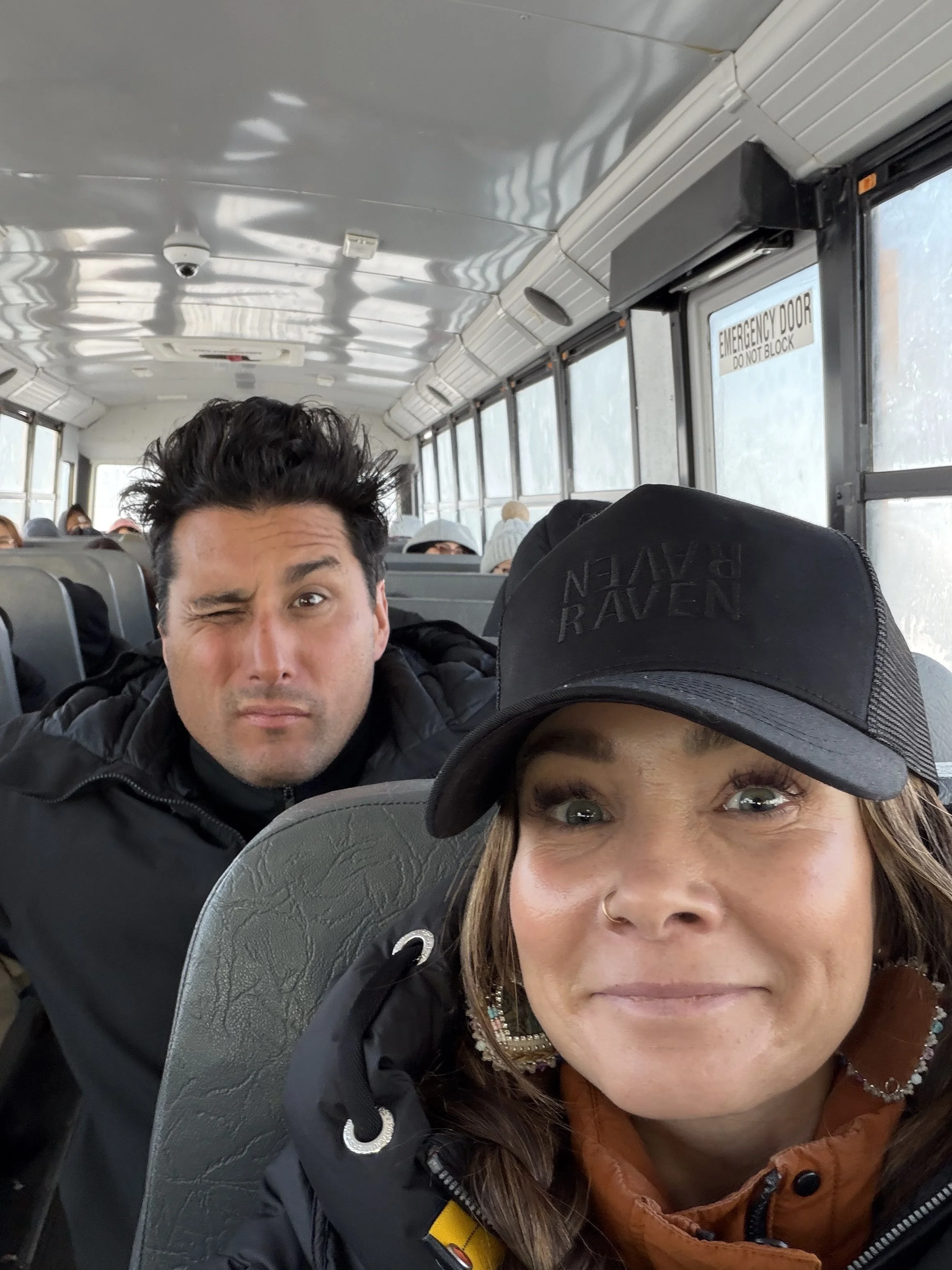
Riding the school bus. School is 7 miles out of town. Kivalina is one of the places where global warming and erosion is forcing the town to move. The school was the first building to be built up hill.
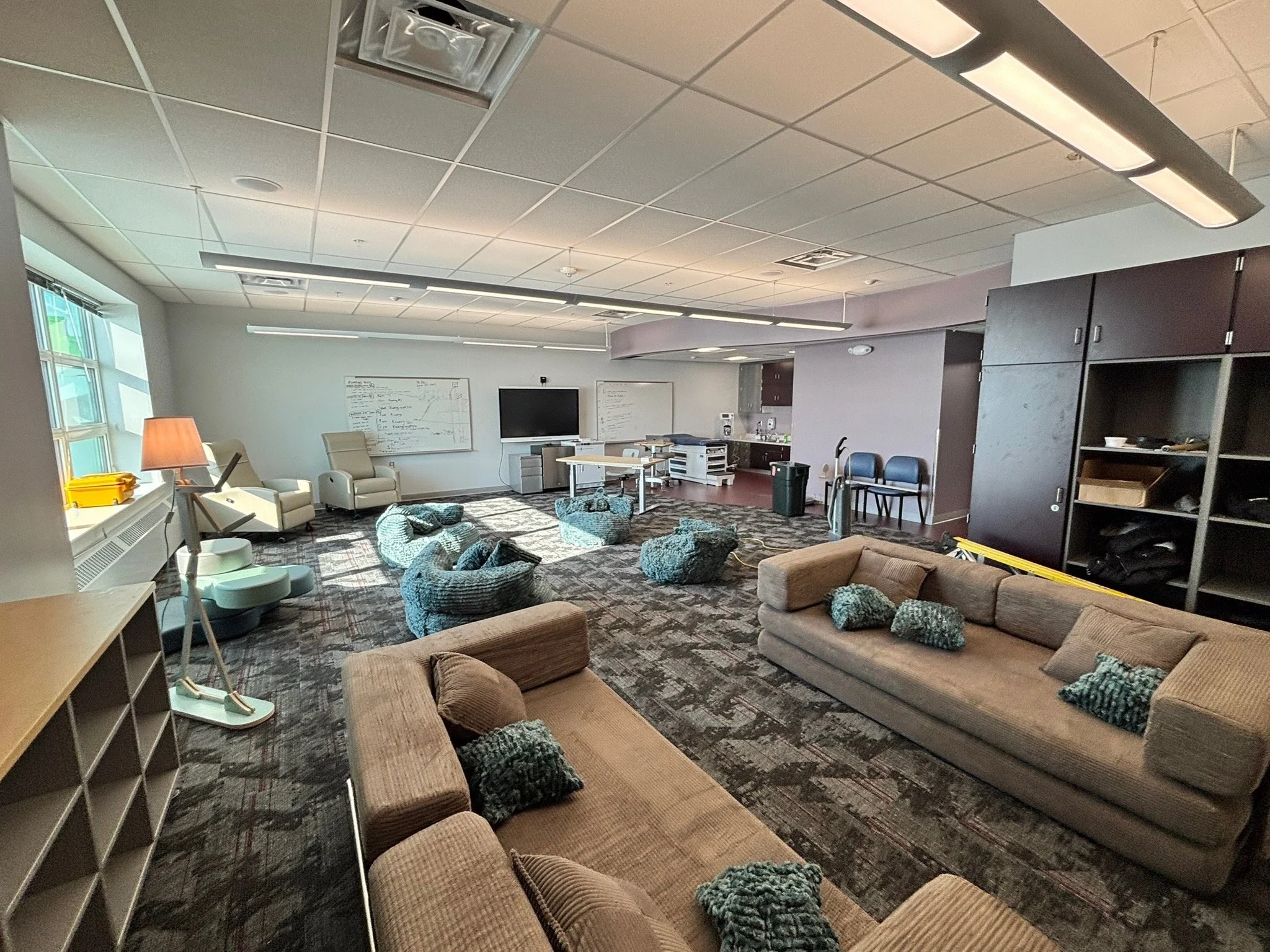
Part of the SBHC is making it a place where kids want to go. We set up a lounge zone for kids to come and hang out.
There’s a quiet but powerful shift that happens when care moves closer to where people live, learn, and grow. School-Based Health Centers (SBHCs) are one of the clearest expressions of that shift—bringing healthcare out of distant systems and into the everyday rhythms of community life.
For many young people, especially in rural and Tribal communities, access to care is shaped by distance, transportation, stigma, and trust. SBHCs help bridge those gaps. They create spaces where care is not something you have to seek out in moments of crisis—but something that is present, familiar, and part of your world.
At their best, SBHCs are not just about treating illness. They are about building relationships with health—early, consistently, and in ways that feel safe and relevant.
Moving Beyond Silos: A Syndemic Approach
Health does not exist in isolation, and neither should care. A syndemic framework recognizes that health experiences—HIV, STIs, Hepatitis C, mental health, substance use, and the broader conditions of life—are interconnected. For young people, these intersections are often felt before they are ever named.
School-Based Health Centers are uniquely positioned to respond to this reality. They offer a setting where:
Sexual and reproductive health can be discussed without shame
Mental health support is accessible and normalized
Preventive care—like screening, vaccination, and education—is integrated into everyday life
Conversations can evolve over time, grounded in trust and continuity
This is what it looks like to move from fragmented care to whole-person care. Not a series of disconnected services, but a relational system that meets young people where they are.
Sexual and Reproductive Health as Part of Whole Health
Too often, sexual and reproductive health is treated as separate—or even avoided altogether. But for young people, these are foundational aspects of wellbeing, identity, and autonomy.
SBHCs create opportunities to reframe these conversations:
From risk to empowerment
From silence to openness
From stigma to normalization
When young people have access to accurate information, confidential care, and trusted adults, they are better equipped to make informed decisions about their bodies and futures. This is not just about preventing outcomes—it is about supporting agency, dignity, and self-determination.
Building Ownership of Health
One of the most important roles SBHCs can play is helping young people see themselves as active participants in their own health.
This looks like:
Understanding how and when to access care
Feeling comfortable asking questions
Recognizing early signs and seeking support
Seeing health as something they can shape—not something that happens to them
Over time, this builds a foundation for lifelong engagement with health systems—on their own terms.
A Step Forward in Kivalina
This vision is becoming reality in Kivalina.
In April, foundational work was completed to establish a School-Based Health Center at the Kivalina School—through a partnership with the Maniilaq Association and support from the Minority HIV/AIDS Fund (MHAF). The clinic is anticipated to open next year, creating a new pathway for youth to access care in a setting that is both accessible and familiar.
This effort builds on broader work through the Arctic HIV Syndemic Center of Excellence—grounded in the understanding that data, care, and community are deeply connected. In small communities, health systems are not abstract—they are relational. They are about relatives, about continuity, about care that reflects the lives people are actually living.
The Kivalina School-Based Health Center represents more than a new clinic. It reflects a commitment to:
Meet youth where they are
Normalize whole-person care
Integrate sexual, reproductive, and behavioral health into everyday care
Support the next generation in building ownership over their health and wellbeing
Looking Ahead
School-Based Health Centers are not a new idea—but their potential is still unfolding. When grounded in community, culture, and a syndemic understanding of health, they can become powerful spaces of prevention, connection, and possibility.
They remind us that care does not have to be distant to be effective.
That early relationships with health matter.
And that when young people are supported with knowledge, access, and trust—they carry that forward, shaping healthier futures for themselves and their communities.
For more information about how to bring a SBHC to your community, contact Jessica.