Sacred Bodies, Open Hearts: Embracing Sexual Health with Compassion and Care
When we talk about sexual health in our communities, we want to lead with heart, empathy, and a deep respect for our cultural roots. We’re excited to share the California Rural Indian Health Board’s new campaign designed to reduce stigma, increase awareness, and promote culturally relevant care by centering traditional understandings of wellness. This initiative is guided by three messages: “Our Bodies Are Sacred,” “Love Without Shame,” and “Test to Protect.”
Our Bodies Are Sacred. Recognizing your body as sacred fundamentally shapes how you approach your health and interact with the medical system. True healthcare should treat you as an integration of physical, mental, and spiritual well-being. It acknowledges that healing involves caring for your mind and spirit alongside your physical symptoms. This belief requires several key elements in community healthcare:
Communicate Your Needs
Do not be afraid to voice your personal boundaries, fears, or cultural needs to your healthcare providers.
Informed Consent and Autonomy
Because your body is yours, you have the ultimate right to make decisions regarding your care. Healthcare providers should empower you with clear, honest information so you can participate actively in your treatment plans.
Compassionate, Respectful Treatment
Sacredness demands dignity. Providers should protect your modesty, actively listen to your concerns, and treat you with deep reverence rather than as merely a "case" or a set of symptoms.
Culturally Safe Environments
Sacredness ties deeply into personal identity, background, and beliefs. Effective healthcare respects your cultural values, spiritual practices, and personal boundaries.
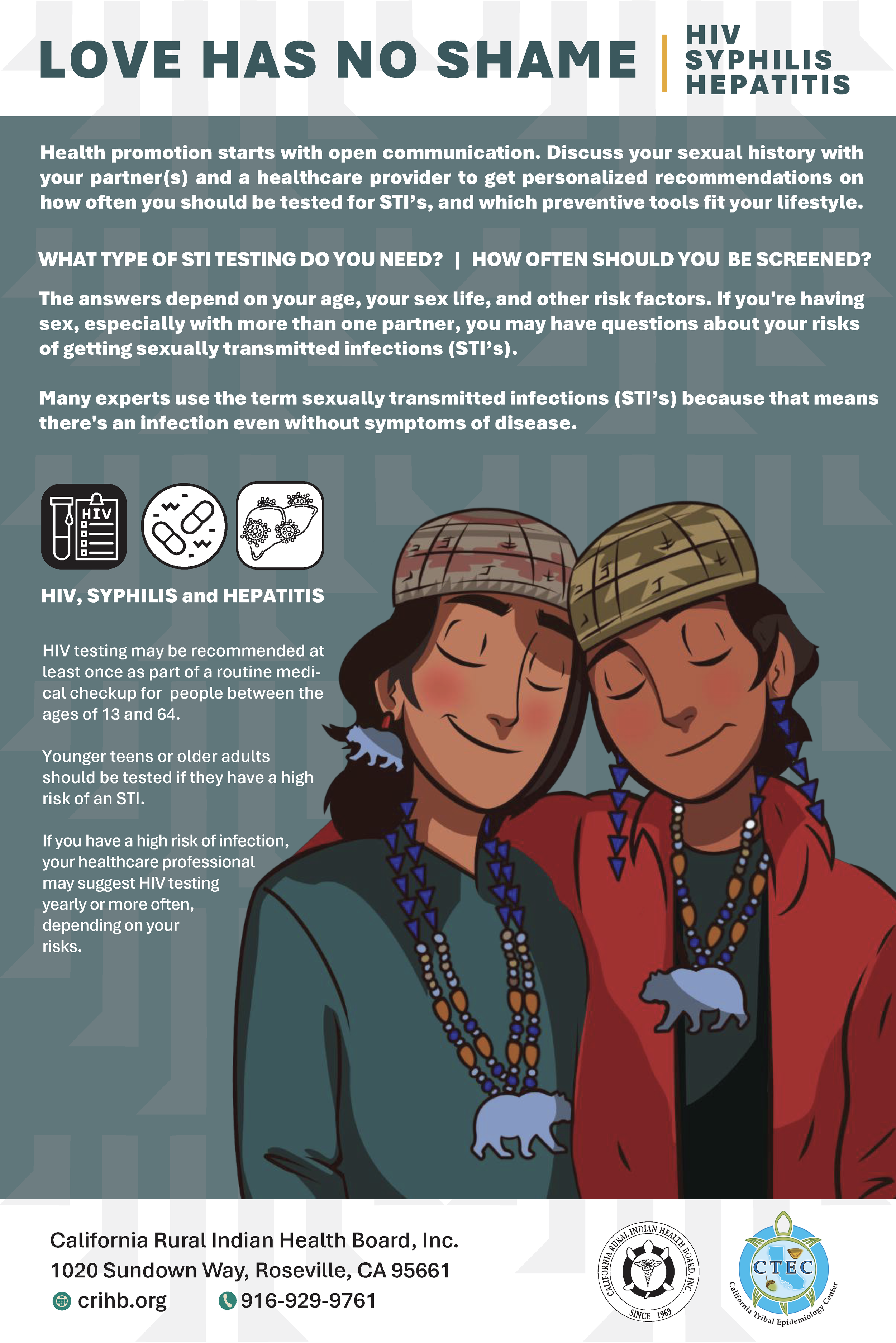
Love Has No Shame. Just as we honor our bodies, we must honor our relationships with honest communication and zero judgment. Health promotion starts with open communication. Discuss your sexual history with your partner(s) and a healthcare provider to get personalized recommendations on how often you should be tested for STIs, and which preventive tools fit your lifestyle.
If you're having sex, especially with more than one partner, you may have questions about your risks of getting sexually transmitted infections (STIs).
Many experts use the term sexually transmitted infections (STIs) because that means there's an infection even without symptoms of disease.
The type of testing you need and how often you should be screened depend on your age, your sex life, and other risk factors.
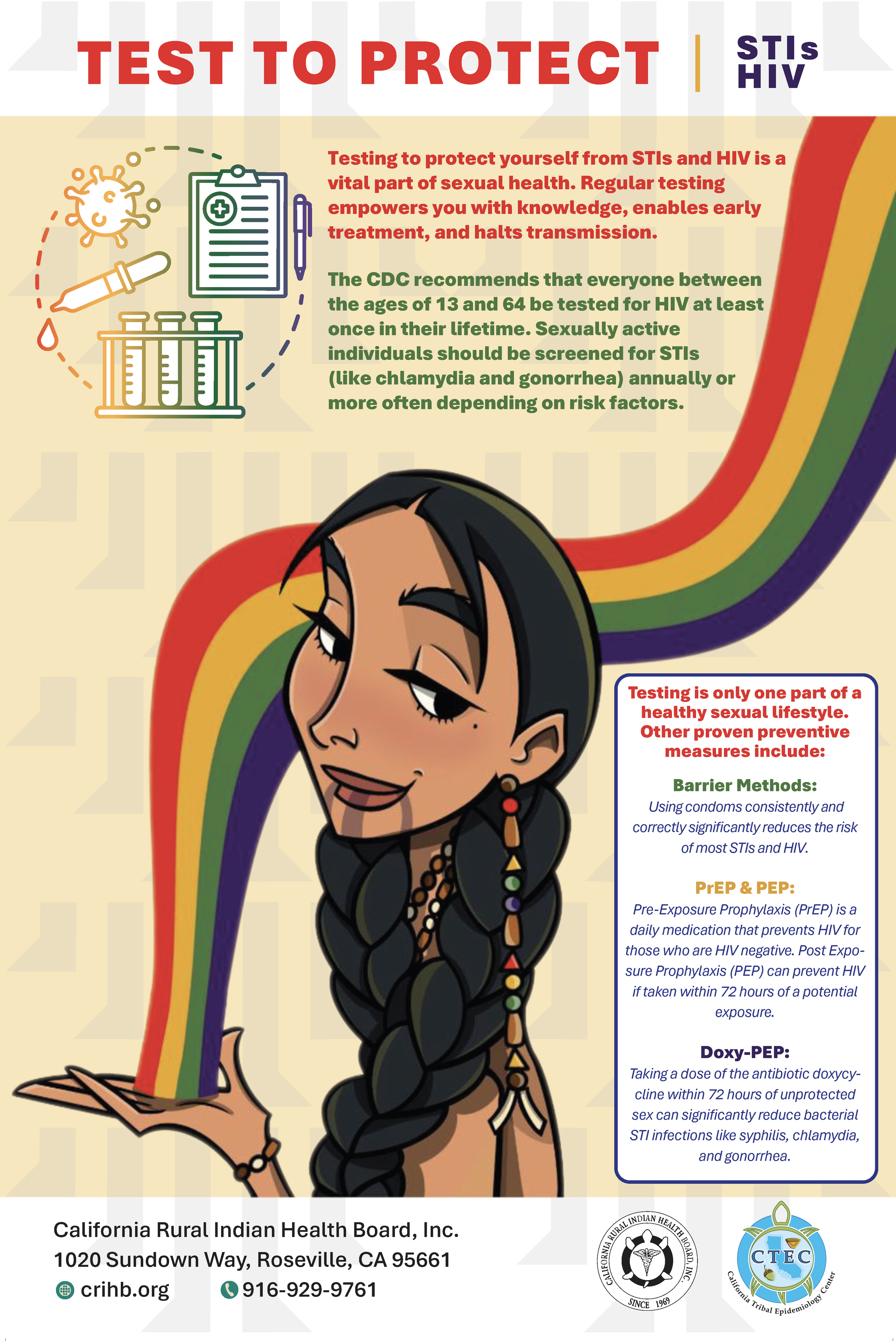
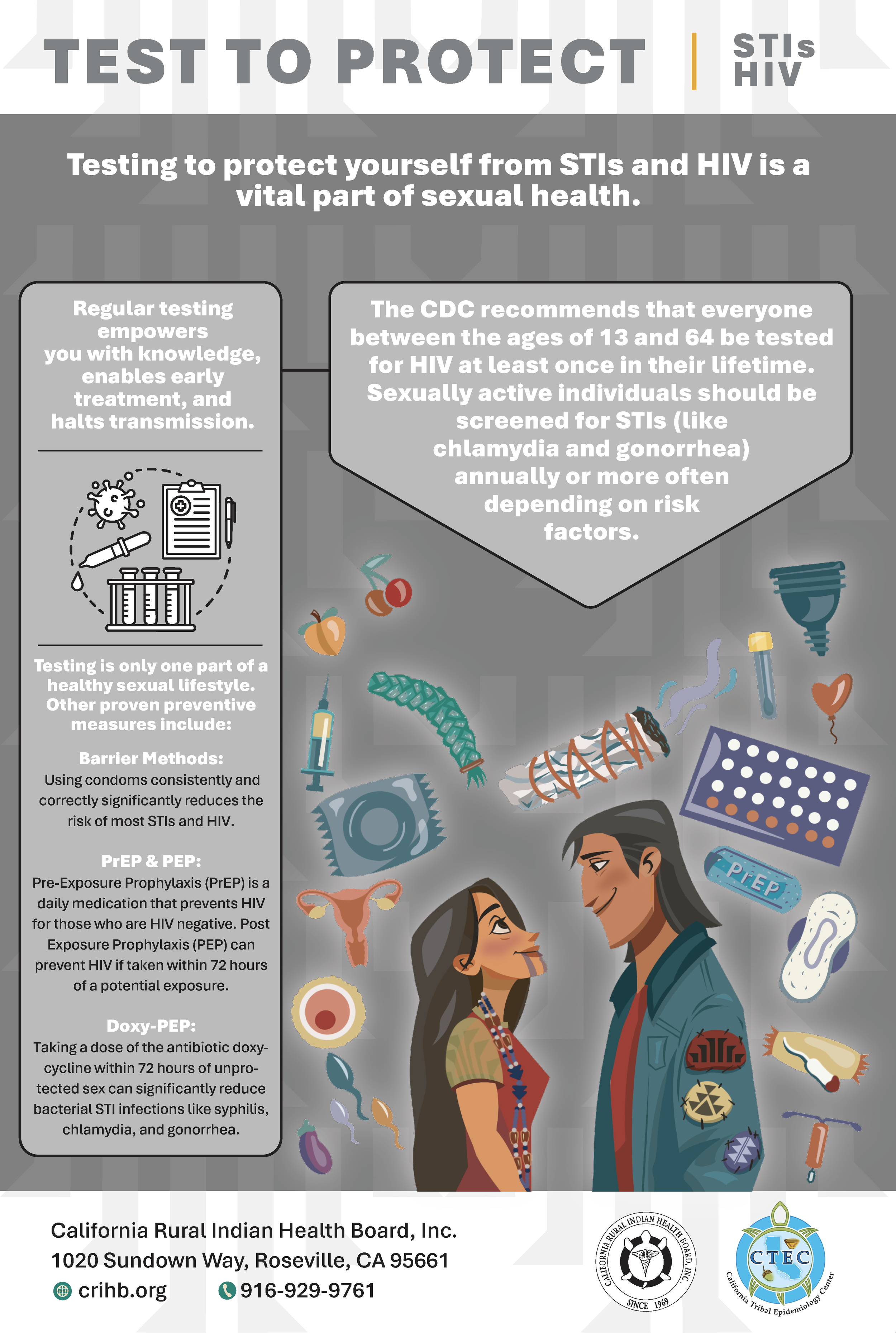
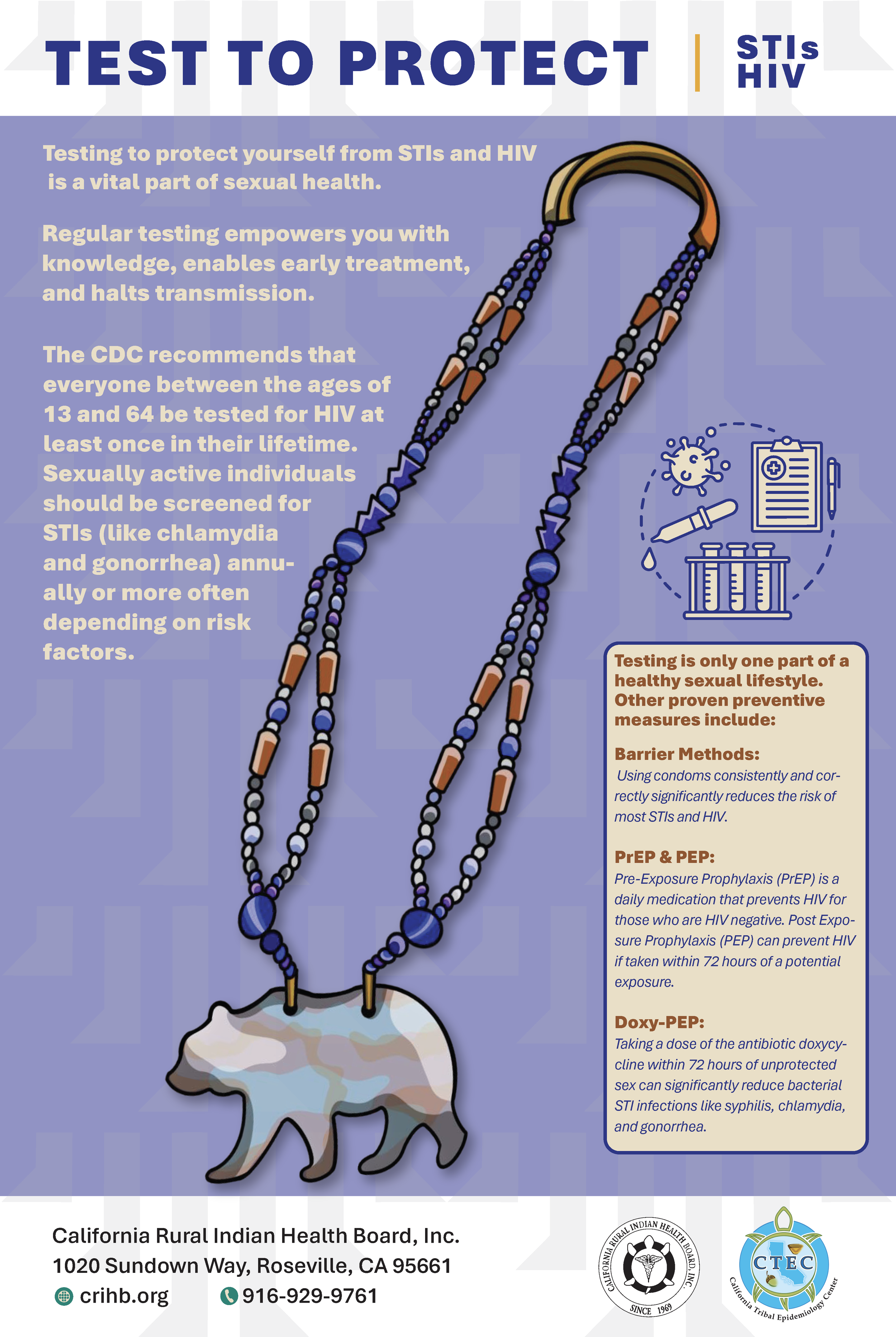
Test to Protect. Taking care of our sacred bodies means taking proactive steps to stay healthy. Testing to protect yourself from STIs and HIV is a vital part of sexual health. Regular testing empowers you knowledge, enables early treatment, and stops transmission.
The CDC recommends that everyone between the ages of 13 and 64 be tested for HIV at least once in their lifetime.
HIV testing may be recommended at least once as part of a routine medical checkup for people between the ages of 13 and 64, while younger teens or older adults should be tested if they have a high risk of an STI.
If you have a high risk of infection, your healthcare professional may suggest HIV testing yearly or more often, depending on your risks.
Sexually active individuals should be screened for STIs (like chlamydia and gonorrhea) annually or more often depending on risk factors.
Testing is only one part of a healthy sexual lifestyle. Other proven preventive measures include:
Barrier Methods
Using condoms consistently and correctly significantly reduces the risk of most STIs and HIV.
PrEP & PEP
Pre-Exposure Prophylaxis (PrEP) is a daily medication that prevents HIV for those who are HIV negative. Post-Exposure Prophylaxis (PEP) can prevent HIV if taken within 72 hours of a potential exposure.
Doxy-PEP
Taking a dose of the antibiotic doxycycline within 72 hours of unprotected sex can significantly reduce bacterial STI infections like syphilis, chlamydia, and gonorrhea.
By centering our cultural values and utilizing these preventive tools, we can create a healthier, more empowered future for our communities. Download the campaign posters for your community here.